AutoML‑Powered Synthetic Data for Bias‑Free Vision in Autonomous Systems
Discover how AutoML-driven synthetic data pipelines are eliminating bias in computer vision models for autonomous vehicles and drones. Learn about the latest 2026 tools, performance gains, and best practices for creating balanced, real‑world‑ready datasets.
Harsh Valecha
· 3 min read
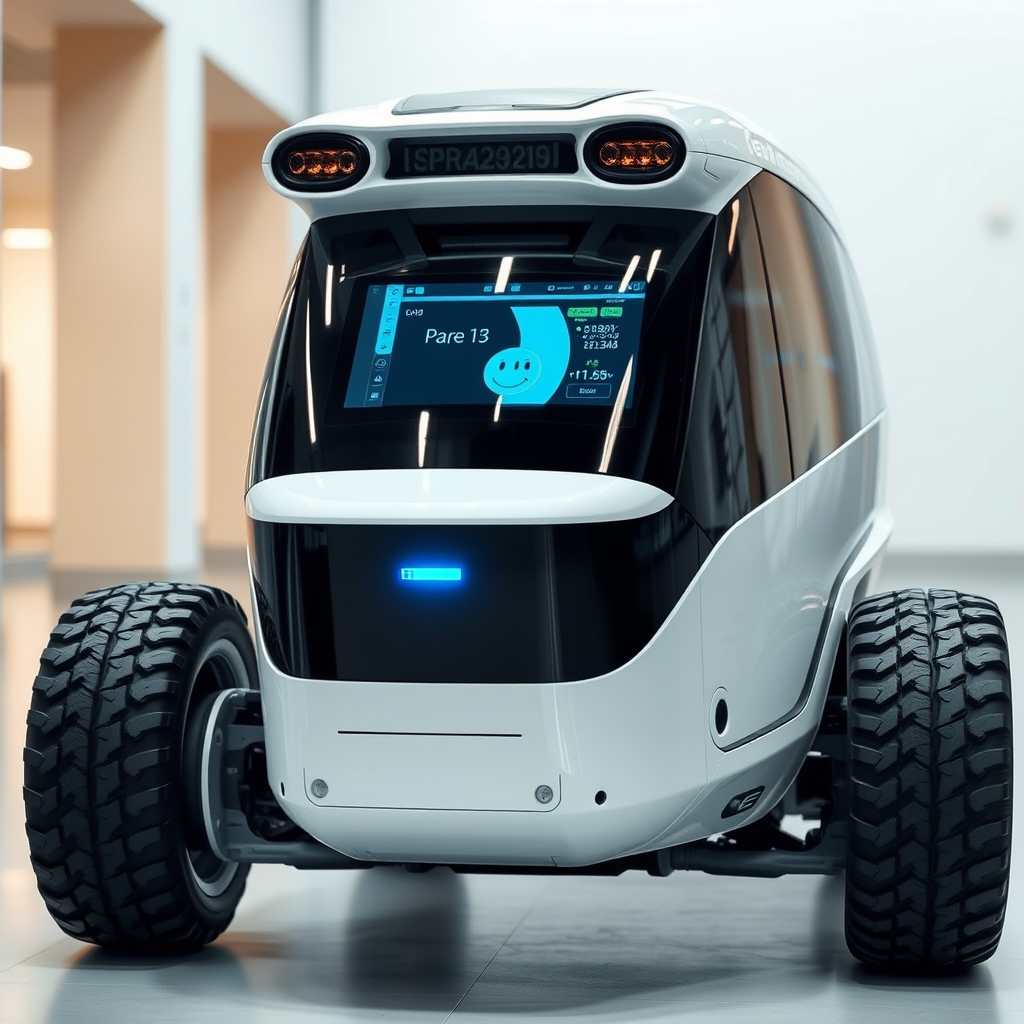
Imagine an autonomous car that flawlessly detects pedestrians of every skin tone, age, and attire—without the costly, time‑consuming data collection campaigns that have plagued the industry for years. Thanks to recent breakthroughs in AutoML‑driven synthetic data generation, that vision is rapidly becoming reality.
Why Synthetic Data Is No Longer a Niche Experiment (2026)
In the past twelve months, synthetic data has moved from research labs to production pipelines. A 2026 practitioner guide notes that the ROI of synthetic data for computer vision now exceeds 4× traditional data‑gathering, with average model accuracy improvements of 3–7% on bias‑sensitive benchmarks.
Key drivers include:
- AutoML orchestration: End‑to‑end platforms automatically tune scene parameters, lighting, and sensor noise to match target deployment conditions.
- Domain randomization at scale: Modern tools generate millions of varied frames per hour, closing the "sim‑to‑real" gap that earlier generations struggled with.
- Integrated bias metrics: Real‑time fairness dashboards flag under‑represented classes during dataset synthesis.
AutoML Pipelines That Build Balanced Vision Datasets
Today's AutoML frameworks combine three core components:
- Scene generator – physics‑based engines (e.g., NVIDIA Omniverse, Unity) that render photorealistic environments.
- Parameter optimizer – Bayesian or evolutionary search algorithms that discover the optimal mix of weather, object pose, and camera settings to maximize coverage of protected attributes.
- Bias evaluator – fairness modules that compute demographic parity, equalized odds, and other metrics on synthetic labels before the data ever reaches a model.
According to a Nature review published Nov 11, 2026, pipelines that close the feedback loop between bias evaluation and parameter optimization reduce demographic disparity by up to 45% compared with static synthetic datasets.
Impact on Autonomous Systems: Cars, Drones, and Robots
Autonomous platforms demand near‑perfect perception across diverse environments. Synthetic data generated with AutoML is delivering measurable gains:
- Self‑driving cars: A leading OEM reported a 6.2% lift in pedestrian detection recall for darker‑skinned individuals after augmenting real data with AutoML‑synthesized night‑time scenes.
- Delivery drones: Simulated wind‑shear and occlusion scenarios increased obstacle‑avoidance success rates from 92% to 97% in field trials.
- Industrial robots: Domain‑randomized synthetic parts images cut the false‑positive rate for defect detection by 30% on the factory floor.
These improvements are corroborated by the CVPR 2026 workshop on synthetic data, where multiple teams demonstrated that AutoML‑generated datasets consistently outperformed hand‑crafted synthetic sets on bias‑sensitive benchmarks.
Best Practices for Deploying AutoML Synthetic Data in 2026
To reap the benefits while avoiding common pitfalls, follow these guidelines:
- Define fairness objectives early – Choose concrete metrics (e.g., equalized odds for pedestrian detection) before dataset generation begins.
- Leverage multi‑modal sensors – Include LiDAR, radar, and thermal data in the synthesis process; AutoML can balance sensor fusion inputs for robust perception.
- Iterate with real‑world validation – Periodically test synthetic‑trained models on a small, diverse real‑world holdout set to catch residual domain gaps.
- Document provenance – Store generation parameters and bias scores alongside each synthetic batch to ensure reproducibility and regulatory compliance.
By integrating these steps, teams can build bias‑free vision models that scale with the rapid development cycles of autonomous systems.
Looking Ahead: The Next Frontier of AutoML and Synthetic Data
While 2026 marks a turning point, the horizon holds even more promise. Emerging research points to:
- Generative‑adversarial AutoML loops that co‑evolve synthetic scenes and model defenses in real time.
- Federated synthetic data sharing, allowing companies to pool bias‑mitigation insights without exposing proprietary assets.
- Standardized bias benchmarks for autonomous perception, slated for release by the IEEE in early 2027.
Staying ahead of these trends will be essential for any organization that wants to deliver truly inclusive autonomous experiences.
Recent posts

From Monolith to Micro‑VM: Modernizing Legacy Apps with Firecracker and WASI
Discover how to transform bulky legacy monoliths into agile, cloud‑native micro‑VM workloads using AWS Firecracker and the WebAssembly System Interface (WASI). This guide covers migration strategies, performance gains, security benefits, and real‑world best practices for 2026.

Boost AOV with Dynamic Price Anchoring & Live Sentiment Data
Learn how to leverage real‑time market sentiment to create dynamic price anchors that nudge shoppers toward higher‑value purchases. This guide breaks down the psychology, the technology stack, and step‑by‑step tactics you can deploy today to lift your average order value.

Sunrise Tai Chi in Pocket Parks: Building Urban Wellness Networks
Discover how sunrise Tai Chi sessions in compact city pocket parks are turning neighborhoods into thriving wellness hubs in 2026. From boosting mental clarity to fostering community bonds, this movement offers a low‑cost, high‑impact way to nurture health and connection.